
Garden Design for Florida
Create a thriving Florida garden with tropical plants, hurricane-resistant design, salt-tolerant species, and strategies for high humidity and sandy soil.
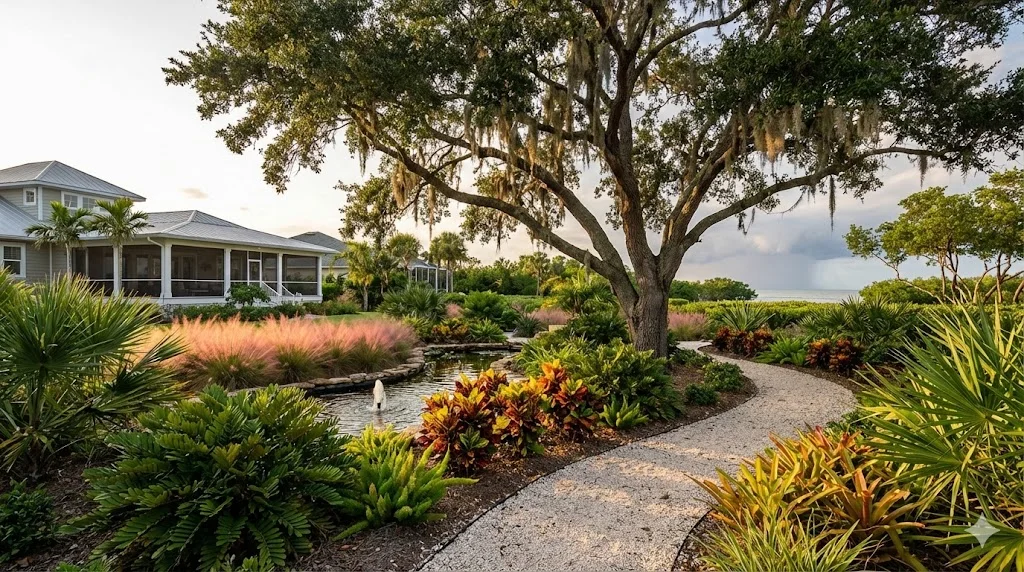
Garden Design for Florida
Florida is a gardener's paradox — a place where almost anything will grow, yet where almost everything faces relentless pressure from hurricanes, salt air, searing humidity, sandy soil, and an insect population that never sleeps. The Sunshine State's gardens, when designed well, are among the most dramatic and colorful landscapes in North America. Lush palms, vivid hibiscus, fragrant plumeria, and towering bird of paradise create a tropical abundance that gardeners in colder climates can only dream about.
The secret to a successful Florida garden is not just choosing beautiful plants — it is designing for the specific forces that define Florida's climate: intense heat and humidity, violent summer storms, salt exposure in coastal areas, and the sandy, nutrient-poor soils that underlie most of the state.
This guide is part of our Garden Design for Your Climate Zone series. Whether you garden in the tropical Keys, the subtropical central corridor, or the occasionally frosty Panhandle, these strategies will help you create a garden that is resilient, beautiful, and authentically Floridian.
Understanding Florida's Climate Zones
Florida spans a wider climate range than most people realize:
- Tropical (South Florida, Keys) — USDA Zone 10b–11a. Frost-free. Year-round growth. True tropical plants thrive. Average lows never drop below 4 C (40 F).
- Subtropical (Central Florida, Tampa to Orlando to Vero Beach) — USDA Zone 9b–10a. Occasional light frost. Enormous plant palette combining tropical and temperate species.
- Warm Temperate (North Florida, Panhandle) — USDA Zone 8b–9a. Regular winter frosts, occasional hard freezes. Requires more cold-hardy selections while still enjoying long, hot summers. North Florida gardeners share many plant choices with the broader Southeast US gardening region.
Across all zones, Florida's climate is characterized by:
- High humidity: 70–90% humidity year-round, with summer dew points frequently above 24 C (75 F)
- Intense summer rainfall: 1,250–1,500 mm (50–60 inches) annually, concentrated in the May-to-October wet season
- Hurricane season: June through November, with peak risk in August and September
- Sandy, acidic soils: Most of Florida sits on ancient sand deposits, producing fast-draining, nutrient-poor, slightly acidic soil
- Salt exposure: Coastal gardens face constant salt spray; even inland gardens can receive salt from hurricanes
Florida gardens succeed when they lean into the tropical energy of the climate rather than fighting it. The lush, layered, exuberant aesthetic that defines the best Florida landscapes is not just beautiful — it is practical. Dense planting shades the ground, reduces evaporation, and creates windbreaks.
Hurricane-Resistant Garden Design
Hurricane preparation is not optional in Florida. A well-designed garden minimizes storm damage and recovers quickly:
Wind-Resistant Trees
Choose trees with proven wind resistance based on decades of post-hurricane research:
- Live oak (Quercus virginiana) — The most wind-resistant large tree in Florida. Deep roots, flexible branches, iconic spreading form
- Sabal palm (Sabal palmetto) — Florida's state tree. Remarkably wind-resistant due to flexible trunk and self-pruning habit
- Bald cypress (Taxodium distichum) — Native, wind-resistant, tolerates wet and dry conditions
- Gumbo limbo (Bursera simarouba) — "Tourist tree" (red, peeling bark). Fast-growing, hurricane-proven
- Southern magnolia (Magnolia grandiflora) — Dense canopy, moderate wind resistance, iconic Southern tree
Trees to Avoid Near Structures
Some popular Florida trees are notorious for storm damage:
- Queen palm — Shallow roots, prone to toppling
- Norfolk Island pine — Snaps in high winds
- Slash pine — Tall, vulnerable to wind throw
- Ear tree — Brittle wood, breaks easily
Storm-Smart Design Principles
- Plant trees away from structures — At least one tree-height distance from buildings
- Diversify species — A monoculture of one species means total loss if that species fails
- Maintain trees properly — Regular pruning removes dead wood and opens canopy to reduce wind load
- Use ground-hugging plants near buildings — Low shrubs, ground covers, and ornamental grasses are virtually damage-proof
- Install windbreaks — Dense hedge plantings of native species reduce wind speed across the garden
Designing for Heat and Humidity
Florida's combination of heat and humidity creates both opportunities and challenges:
Shade as Priority
In Florida, shade is not a luxury — it is the most important element in garden comfort. Every outdoor living area needs shade from May through October:
- Canopy trees — Live oak, mahogany (Swietenia mahagoni), royal poinciana (Delonix regia — South Florida only)
- Palm canopy — Coconut palm, royal palm, and date palm provide high, filtered shade
- Structures — Pergolas, covered lanais, and shade sails extend usable outdoor hours
- Layered planting — Tall palms over small trees over shrubs creates natural, graduated shade
Managing Humidity in the Garden
- Air circulation — Avoid dense, crowded plantings that trap humidity and promote fungal disease. Space plants for airflow.
- Well-drained soil — Amend heavy or poorly draining areas with sand and organic matter to prevent root rot
- Morning watering — Water early so foliage dries before afternoon humidity peaks
- Disease-resistant varieties — Choose cultivars bred for Florida's disease pressure
When you plan your garden's shade zones and layered planting, you can create comfortable outdoor spaces that remain usable even in the height of summer.
Salt-Tolerant Design for Coastal Gardens
Florida's 2,170 km (1,350 miles) of coastline means millions of gardens face salt exposure. Salt tolerance is rated in three levels:
High salt tolerance (frontline coastal):
- Coconut palm, sabal palm, sea grape, green buttonwood, beach sunflower, lantana, coontie
Moderate salt tolerance (second line, some protection):
- Simpson's stopper, firebush, Walter's viburnum, beautyberry, African iris
Low salt tolerance (protected interior gardens only):
- Gardenias, azaleas, most fruit trees, many ornamental shrubs
Design coastal Florida gardens in zones, with the toughest salt-tolerant species closest to the water and progressively less tolerant plants sheltered behind.
Florida's Native Plant Advantage
Florida native plants are adapted to the state's unique combination of heat, humidity, sandy soil, hurricanes, and salt. A garden built on native species requires less water, less fertilizer, less pest control, and less overall maintenance:
- Coontie (Zamia integrifolia) — Florida's only native cycad, shade-tolerant, deer-resistant, host plant for atala butterflies
- Firebush (Hamelia patens) — Brilliant red-orange tubular flowers, hummingbird and butterfly magnet
- Muhly grass (Muhlenbergia capillaris) — Spectacular pink-purple plumes in fall, drought-tolerant
- Beautyberry (Callicarpa americana) — Clusters of vivid purple berries, shade-tolerant
- Sea grape (Coccoloba uvifera) — Coastal native, large round leaves, salt-proof
- Fakahatchee grass (Tripsacum dactyloides) — Elegant native grass, wet or dry conditions
- Wild coffee (Psychotria nervosa) — Shade-loving shrub, red berries, butterfly-friendly
Tropical Plant Palette for Florida
Beyond natives, Florida supports an extraordinary range of tropical and subtropical plants:
Palms: Royal palm, coconut palm, Christmas palm, pygmy date palm, silver bismarck palm
Flowering trees: Royal poinciana, jacaranda, tabebuia (trumpet tree), frangipani, Hong Kong orchid tree
Shrubs: Hibiscus, ixora, plumbago, croton, ti plant, bougainvillea
Ground covers: Asiatic jasmine, blue daze, perennial peanut, liriope, society garlic
Vines: Mandevilla, passionflower, coral honeysuckle, bougainvillea, Confederate jasmine
South Florida's frost-free conditions open the full palette of species covered in our guide to garden design for tropical climates, including heliconias, gingers, and tropical fruit trees that thrive in the Keys and Miami-Dade.
The best Florida gardens combine native plants for ecological function with select tropicals for color and drama. This blend creates a landscape that supports local wildlife while delivering the lush, vibrant aesthetic that makes Florida gardens so appealing.
Soil and Fertilization
Florida's sandy soil is the state's biggest horticultural challenge. It drains fast, holds almost no nutrients, and contains minimal organic matter.
- Amend planting holes — Mix compost, aged manure, or peat into planting holes to improve water and nutrient retention
- Mulch heavily — 7–10 cm (3–4 inches) of organic mulch (pine bark, melaleuca mulch, or eucalyptus mulch) conserves moisture and slowly improves soil
- Fertilize regularly but lightly — Sandy soil cannot store nutrients, so light, frequent applications are more effective than heavy annual doses
- Use slow-release fertilizer — Prevents nutrient leaching during heavy summer rains
- Respect the water table — Florida's high water table means tree roots spread wide rather than deep. Plan accordingly.
Seasonal Rhythm in Florida
Florida's garden calendar runs differently from northern states:
- Spring (March–May): Peak planting and bloom season. Wildflowers, azaleas, and orchid trees peak.
- Summer (June–September): Hot, wet season. Growth is explosive. This is the quiet maintenance season — trim, weed, and let plants grow.
- Fall (October–November): Second planting window. Muhly grass blooms. Temperatures moderate.
- Winter (December–February): The mildest, most pleasant season. Cool-season annuals (impatiens, petunias) add temporary color. Snowbird season — your garden should look its best.
Getting Started: Your Florida Garden Plan
- Know your zone — South, Central, or North Florida gardening are fundamentally different. Plant lists vary dramatically.
- Prioritize wind resistance — Choose proven wind-resistant trees and maintain them properly.
- Design for shade — Plant canopy trees first. They provide the greatest long-term benefit.
- Use native plants as the foundation — Layer in tropicals for color, but let natives do the heavy lifting.
- Improve sandy soil gradually — Compost and mulch year after year build better soil over time.
- Install efficient irrigation — Florida's sandy soil and intense heat make drip or micro-spray irrigation essential for establishment.
- Plan for salt — If you are coastal, design in salt-tolerance zones from waterfront to interior.
- Enjoy year-round gardening — Florida's climate allows something to be blooming every month of the year. Design for continuous color and interest.
Florida gardening is a year-round conversation with one of the most dynamic climates in North America. The challenges are real, but so are the rewards — a garden where tropical color, lush texture, and the sound of palm fronds rustling in the ocean breeze create a landscape that feels like paradise. Because it is.
Garden Design Team
Expert garden designers sharing tips, inspiration, and practical advice for creating beautiful outdoor spaces.
Explore professional garden design
Gardenly3D is a paid professional garden-design application. See plans for included capabilities and availability.
Join the waitlistRelated articles
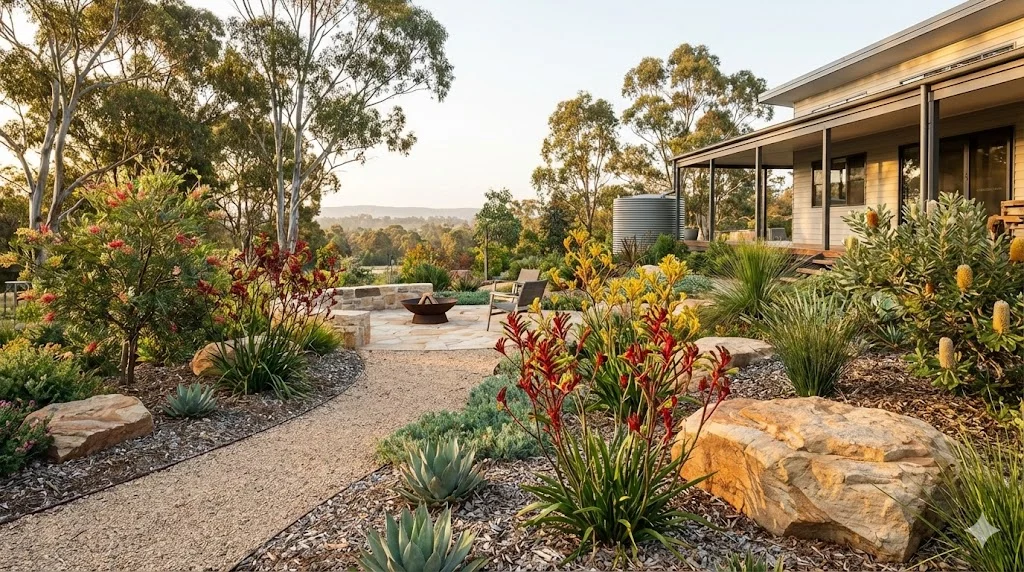
Garden Design for Australian Conditions
Design a resilient Australian garden with native plants, bushfire-safe landscaping, water-wise strategies, and solutions for subtropical to arid climates.
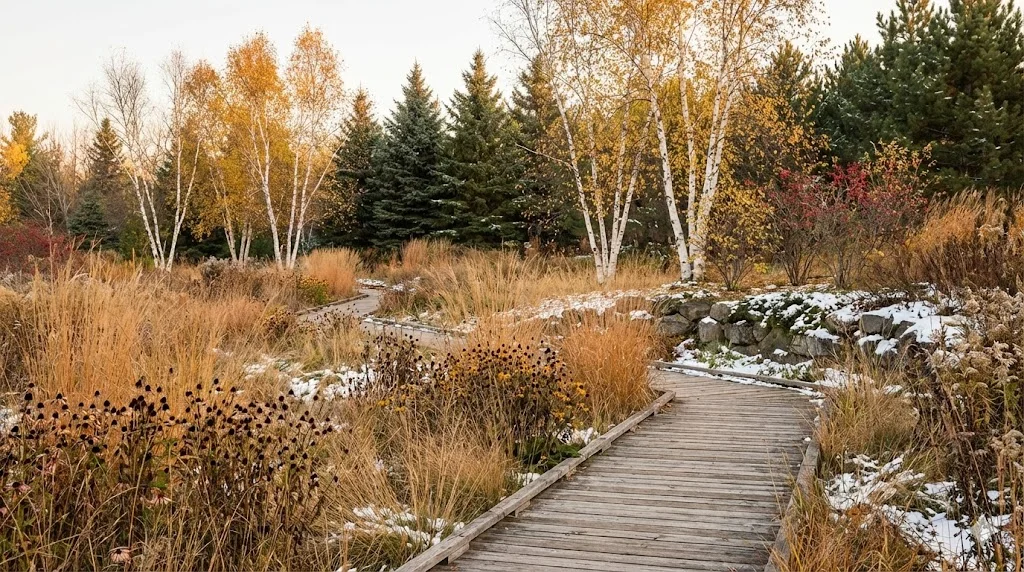
Garden Design for Canada
Design a resilient Canadian garden with extreme cold strategies, native prairie and boreal plants, short season planting, and wildlife-friendly garden design.
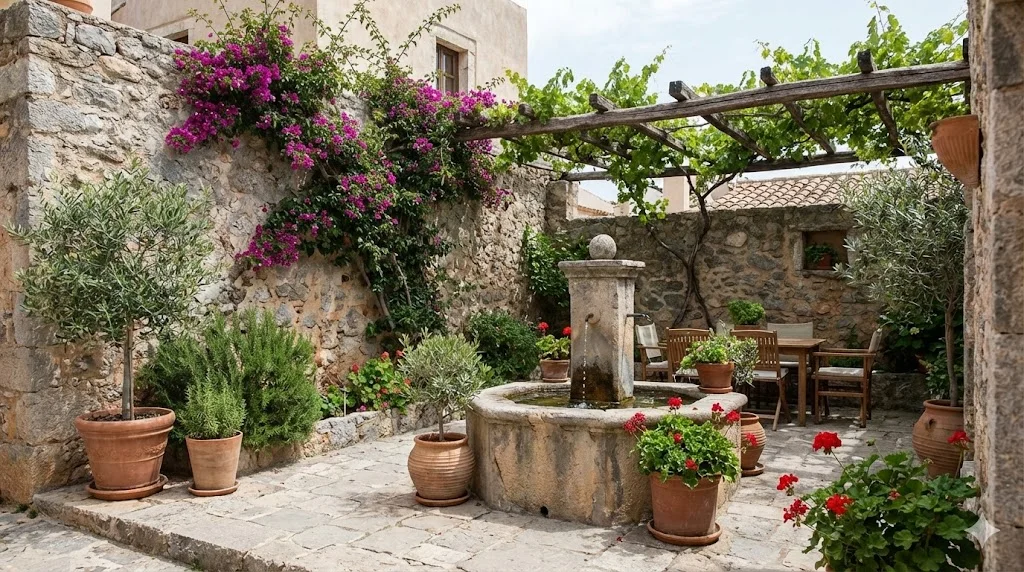
Garden Design for Coastal Mediterranean (Spain, Italy, Greece)
Design a stunning coastal Mediterranean garden with bougainvillea, citrus, courtyards, dry stone walls, and irrigation strategies for Spain, Italy, and Greece.