
How to Design a Child-Friendly Garden
Design a child-friendly garden with safe plants, creative play zones, nature play features, durable lawn areas, and sensory planting the whole family loves.
How to Design a Child-Friendly Garden
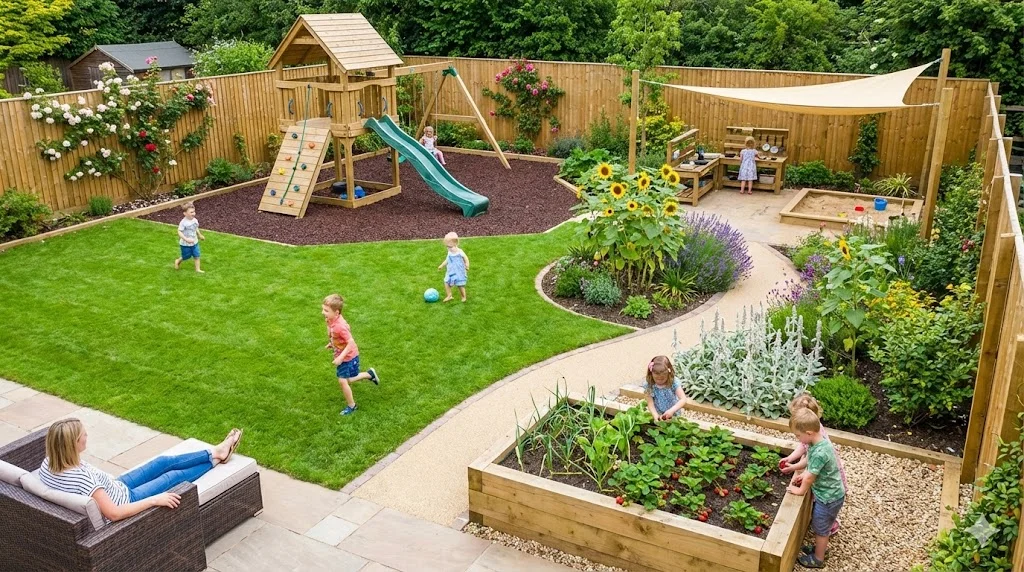
A garden with children in it is not a garden with a swing set in the corner. The best child-friendly gardens are designed from the ground up to be places where children grow alongside the plants -- exploring, climbing, digging, hiding, discovering, and getting wonderfully muddy. And they do all of this while looking beautiful and functioning as adult outdoor living spaces too.
The mistake many parents make is treating the garden as either an adult space with children tolerated or a children's playground with adults sidelined. The best family gardens integrate both. Children need areas to run, climb, and explore. Adults need areas to sit, eat, and relax. And both need the garden to feel like a coherent, beautiful space rather than a compromise. This guide shows you how to achieve that balance. For the full garden design process, see our beginner's guide to designing a garden from scratch.
Safety First: The Non-Negotiables
Before discussing design, address the safety essentials. These are not optional:
Toxic Plants
Remove or avoid planting these common toxic garden plants where young children play:
- Foxglove (Digitalis): All parts are toxic
- Monkshood (Aconitum): One of the most toxic garden plants
- Yew (Taxus): Leaves and seeds are toxic (berries' flesh is not, but seeds inside are)
- Laburnum: Seeds are toxic and attractive to children
- Lily of the valley (Convallaria): All parts are toxic
- Ricinus (castor oil plant): Seeds are extremely toxic
- Euphorbia: Milky sap causes skin irritation and is harmful if ingested
This does not mean your garden must be stripped of all interesting planting. Thousands of beautiful, non-toxic plants are available. Choose from those and keep toxic plants for later, when children are old enough to understand not to eat garden plants.
Water Safety
Ponds, pools, and any standing water are drowning hazards for small children. If you want water in a family garden:
- Under age five: Use bubbling stones, wall-mounted spouts, or sealed water features with no open water
- Ages five to eight: A shallow wildlife pond with a secure grille below the surface can work
- Over eight: Teach water safety and ensure supervision; open ponds become appropriate
Fencing and Boundaries
The garden must be securely enclosed so small children cannot access the street. Check all boundary fences for gaps, ensure gates have childproof latches, and verify that no climbing aid (compost bin, bench, raised bed) provides a route over the fence.
Zoning: Designing for Everyone
The key to a successful family garden is clear zoning -- distinct areas for different activities, arranged so that adults can supervise children naturally.
The Visibility Principle
The main play area must be visible from the kitchen or the main indoor living space. This is the single most important layout rule for a family garden. If you cannot see the children while cooking dinner or sitting in the living room, the play area is in the wrong place.
Design the garden so that adult relaxation and child supervision happen simultaneously. A patio adjacent to a play lawn, with clear sightlines from the kitchen window, means everyone can enjoy the garden at the same time without anxiety.
Typical Family Garden Zones
- Patio / dining area: Adjacent to the house. Hard surface for table and chairs. This is the adult hub.
- Play lawn: The largest open area. Durable grass for running, ball games, and general play. Visible from the patio and house.
- Nature play zone: A wilder area with log piles, a mud kitchen, a sand pit, or a den-building area. Can be slightly tucked away for a sense of adventure.
- Growing area: Raised beds for growing vegetables and flowers together. Children love growing sunflowers, strawberries, and pumpkins.
- Planting beds: The beautiful borders that make the garden feel designed. Place these where they will not be trampled during games.
Play Features That Grow with Children
The best play features evolve as children grow, rather than becoming obsolete.
Ages 2-5: Sensory and Exploratory
- Sand pit: Build a generous one with a lid. Position it near the patio where you can supervise easily.
- Mud kitchen: A simple timber structure with bowls, pots, and a water source. Children will spend hours here.
- Sensory planting: Lamb's ears (soft), lavender (scented), ornamental grasses (rustling sound), strawberries (taste). Plant these at child height along paths.
- Stepping-stone trail: Flat stones laid through a planting area for small adventurers.
Ages 5-10: Active and Imaginative
- Climbing frame or tree house: Position on a soft surface (bark chips, rubber matting, or thick lawn).
- Den-building area: Leave a corner wild with willow tunnels, tall grasses, and log piles.
- A path with destinations: Winding paths through planting that lead to hidden features -- a bench, a bug hotel, a bird feeder.
- Swing: Hung from a sturdy tree branch or a dedicated frame. Allow generous clearance.
Ages 10+: Independent and Social
- Sports area: Space for a goal, basketball hoop, or cricket stumps. This needs durable surfacing or reinforced lawn.
- Hangout space: A separate seating area -- a bench in a planted alcove, a hammock, or a fire pit -- where older children and teenagers can be with friends.
- Growing space: Their own raised bed to grow what they choose.
Durable Lawn: The Family Workhorse
A family lawn takes a beating. To keep it looking respectable:
- Choose a hard-wearing grass mix: Sports or utility grass mixtures containing perennial ryegrass are far more durable than fine ornamental mixes.
- Raise the mowing height: Cut at 4-5 cm (1.5-2 inches) rather than short. Longer grass is more resilient and recovers faster from wear.
- Rotate play areas: If possible, move portable play equipment (goals, slides) around the lawn to spread wear.
- Repair bare patches promptly: Overseed with a fast-germinating grass mix in spring and autumn.
- Accept imperfection: A family lawn will not look like a bowling green, and that is perfectly fine.
Planting with Children in Mind
Tough Plants for High-Traffic Areas
Plant borders near the play area with tough, forgiving species that bounce back from football impacts and careless feet:
- Ornamental grasses (Miscanthus, Stipa, Pennisetum) -- flexible and resilient
- Geranium macrorrhizum -- dense ground cover that recovers quickly
- Nepeta (catmint) -- soft, aromatic, and virtually indestructible
- Rudbeckia -- robust, cheerful, and long-flowering
Plants Children Love
- Sunflowers: The ultimate child-friendly plant. Fast-growing, dramatic, and satisfying to grow from seed.
- Strawberries: Edible, easy, and irresistible to small hands.
- Pumpkins: Huge leaves, dramatic growth, and a harvest to look forward to.
- Sweet peas: Scented, colorful, and perfect for picking.
- Snapdragons: Flower mouths that open and close when squeezed.
- Lamb's ears (Stachys): Irresistibly soft, silver leaves that children love to stroke.
Surfaces and Safety
Under Play Equipment
Any equipment where children climb or swing must have soft surfacing beneath. Options:
- Rubber matting: Durable, clean, available in various colors. Install according to critical fall height specifications.
- Play-grade bark chips: Natural look, effective impact absorption, needs topping up annually.
- Thick lawn: Adequate for low equipment (under 1 meter / 3 feet fall height) but wears quickly.
Paths and Circulation
Children run. Ensure paths are wide enough for running and have non-slip surfaces. Avoid sharp corners on raised beds and walls where children might collide. Round off corners or plant soft planting at collision points.
Planning for Change
Children's needs change rapidly. A sand pit that is the center of a three-year-old's world will be ignored by an eight-year-old. Design play features so they can be repurposed:
- A sand pit becomes a raised planting bed or a small pond
- A play lawn becomes a more ornamental garden as children grow
- A climbing frame location becomes a pergola or seating area
- A mud kitchen becomes a potting bench
You can plan your garden zones and test how the space works at different stages of your family's life, ensuring the design evolves rather than needing a complete overhaul.
Getting Started
Start with the essentials: check safety (toxic plants, water, boundaries), then zone the garden so the play area is visible from the house. Install a durable lawn and a sand pit, and plant tough, forgiving species in the beds closest to the action. As your children grow, adapt the garden to match their changing needs.
For guidance on designing the adult areas of your family garden, see how to design an outdoor living space and how to design a patio. For the complete garden design process, return to our beginner's guide to designing a garden from scratch.
Garden Design Team
Expert garden designers sharing tips, inspiration, and practical advice for creating beautiful outdoor spaces.
Explore professional garden design
Gardenly3D is a paid professional garden-design application. See plans for included capabilities and availability.
Join the waitlistRelated articles
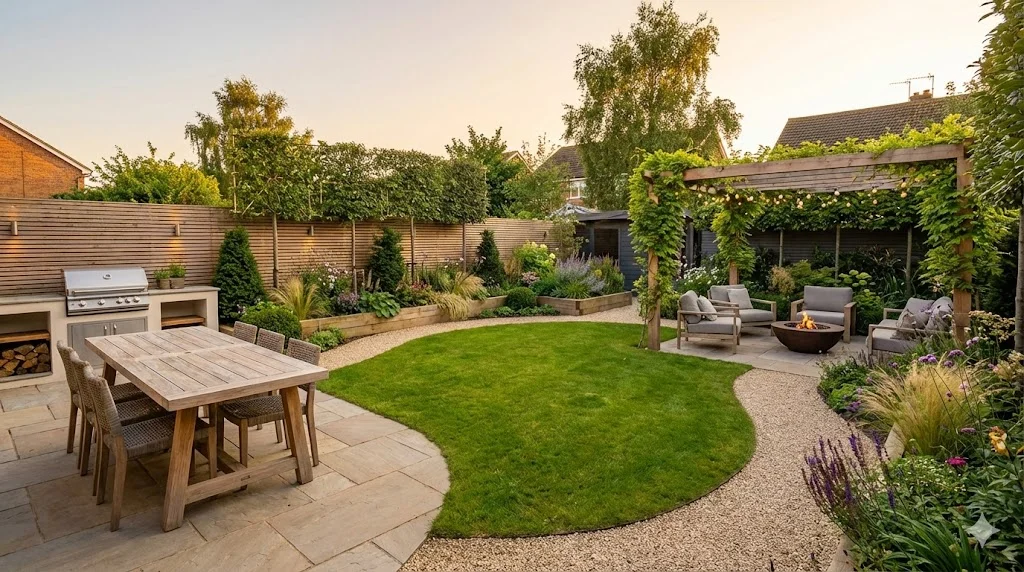
Backyard Garden Design: Creating Your Outdoor Sanctuary
Design a backyard that works as an outdoor living space. Zoning for dining, relaxation, and play, with privacy screening and year-round planting.
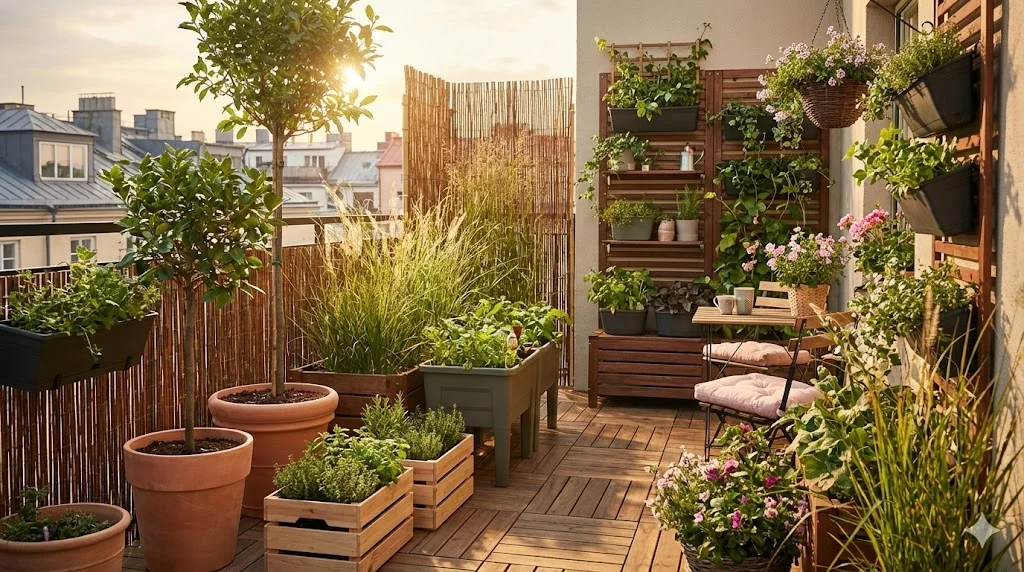
Balcony Garden Design: Growing in Containers
Create a thriving balcony garden with smart container choices, wind-resistant plants, vertical systems, and self-watering solutions for high-rise growing.
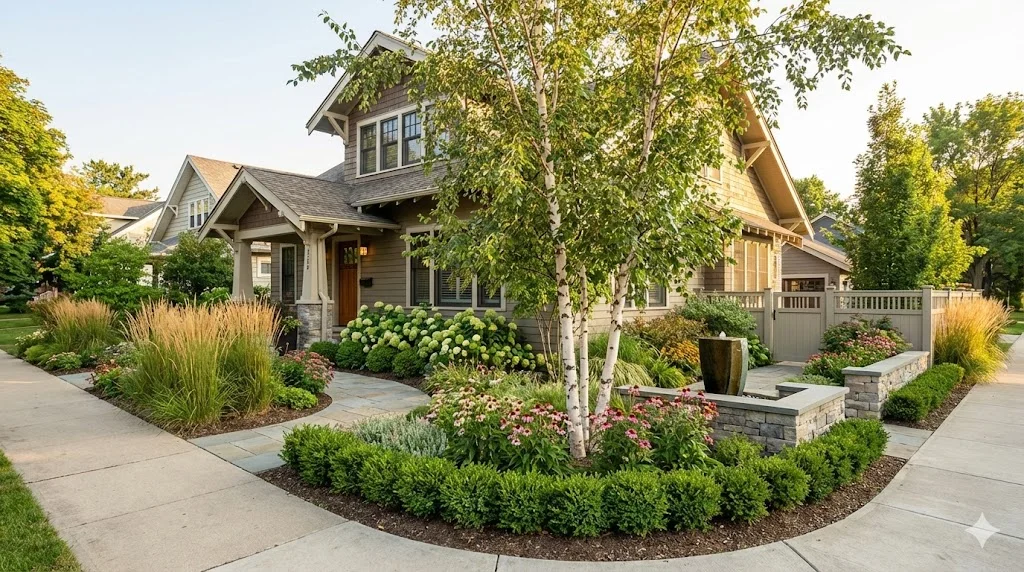
Corner Lot Garden Design: Two-Sided Curb Appeal
Design a corner lot garden that impresses from both streets. Dual frontage planting, visibility sightlines, wraparound beds, and privacy from two directions.