
Mediterranean Garden Style Guide
Design a sun-drenched Mediterranean garden with lavender, olive trees, and terracotta accents. A complete guide to drought-tolerant Mediterranean planting.
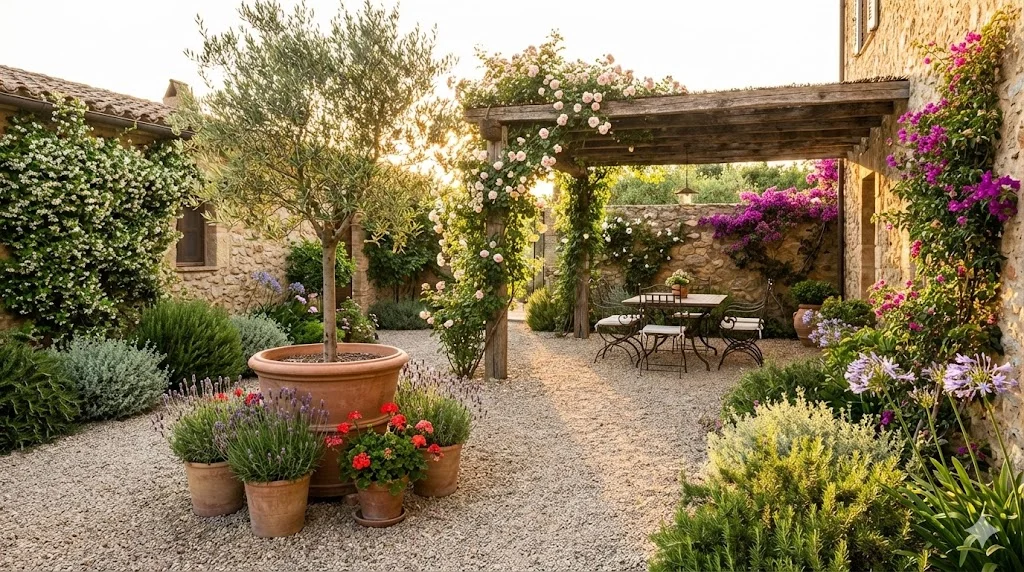
Mediterranean Garden Style Guide: Sun, Stone, and Lavender
There is something deeply inviting about a Mediterranean garden. It is a place where the warmth of terracotta meets the silver-green shimmer of olive leaves, where lavender hums with bees under a cloudless sky, and where every corner seems designed for sitting down with a glass of wine and watching the evening light change. Mediterranean garden design captures the essence of outdoor living — relaxed, fragrant, and effortlessly beautiful.
The best part? You do not need to live on the shores of the Aegean to create one. The principles behind Mediterranean garden design — drought-tolerant planting, natural materials, and a strong connection between house and garden — translate remarkably well to a wide range of climates. Whether you have a sun-baked courtyard or a sheltered suburban plot, this guide will show you how to bring that sun-drenched character home.
For a broader look at how Mediterranean style fits alongside cottage, Japanese, modern, and other approaches, see our complete guide to garden design styles.
What Defines a Mediterranean Garden?
Mediterranean gardens draw their character from the landscape around the Mediterranean Sea — southern France, Italy, Greece, Spain, and North Africa. These regions share long, hot, dry summers and mild, wet winters. Gardens evolved to thrive in these conditions, and that practical foundation is what gives the style its distinctive look.
The defining characteristics include:
- Drought-tolerant planting built around aromatic herbs, silver-leaved shrubs, and evergreen trees
- Natural hard landscaping — gravel, stone, terracotta, and rendered walls in warm tones
- Outdoor living spaces such as courtyards, terraces, and shaded pergolas
- A relaxed, informal planting style with plants allowed to billow and self-seed
- A restrained color palette dominated by greens, silvers, purples, and terracotta, punctuated by vivid accents
The result is a garden that looks generous and lush but actually requires far less water and maintenance than a traditional lawn-centered design.
Signature Materials and Hard Landscaping
In a Mediterranean garden, the hard landscaping does as much work as the plants. Materials are chosen for their warmth, texture, and ability to age gracefully in the sun.
Terracotta
Terracotta is the signature material of Mediterranean garden design. Use it generously — large terracotta pots planted with citrus or trailing pelargoniums, terracotta tiles on a courtyard floor, or simple terracotta edging along a gravel path. The warm, earthy tones provide the perfect backdrop for silver and green foliage. Over time, terracotta develops a beautiful patina of moss and mineral deposits that only adds to its charm.
Gravel and Stone
Gravel is the workhorse surface of the Mediterranean garden. It drains freely, reflects heat, and provides a neutral canvas for planting. Choose warm-toned gravel — honey, buff, or pale gold — rather than cold grey. Combine it with natural stone for paths, steps, and low retaining walls. Limestone, sandstone, and local stone all work well. The goal is a palette that feels as though it belongs to the landscape rather than being imposed on it.
Walls and Rendered Surfaces
Stone walls — whether dry-stacked or mortared — are a classic Mediterranean feature. They retain heat, provide shelter for tender plants, and create the enclosed, intimate spaces that define a courtyard garden. Where budget or availability rules out natural stone, rendered walls painted in warm white, pale ochre, or dusty terracotta achieve a similar effect. A simple rendered wall with a climbing jasmine or bougainvillea trained across it can transform the most ordinary garden boundary.
Pergolas and Shade Structures
A pergola draped with grapevines, wisteria, or climbing roses is one of the most evocative elements of Mediterranean garden design. Pergolas create dappled shade for outdoor dining, frame views, and provide vertical structure. Traditionally built from timber or stone columns, they can also be constructed from painted steel for a more contemporary take. The key is to keep them open enough to let light filter through — solid roofs defeat the purpose.
Essential Mediterranean Plants
The plant palette is where Mediterranean garden design really comes alive. These are plants that have evolved to thrive in heat and drought, and their adaptations — aromatic oils, silver or grey leaves, deep root systems — are exactly what give them their beauty.
Lavender (Lavandula)
No Mediterranean garden is complete without lavender. Plant it in drifts along paths and borders, in gravel, or in terracotta pots. English lavender (Lavandula angustifolia) is the hardiest and most fragrant, while French lavender (Lavandula stoechas) offers showier flowers with distinctive "rabbit ear" petals. Lavender needs full sun and sharp drainage — it will rot in heavy, wet soil. Cut it back hard after flowering to keep plants compact and productive.
Rosemary (Salvia rosmarinus)
Rosemary is a Mediterranean essential — aromatic, evergreen, and tough as nails. Use upright varieties as informal hedging or structural accents, and prostrate forms to cascade over walls and raised beds. The blue flowers in spring are a magnet for pollinators. Like lavender, rosemary demands good drainage and resents winter wet more than winter cold.
Olive Trees (Olea europaea)
An olive tree is the ultimate Mediterranean statement. Even a single specimen in a large terracotta pot can anchor an entire courtyard. Their gnarled trunks, silver-green leaves, and tolerance for drought make them ideal focal points. In cooler climates, olives can be grown in containers and moved to a sheltered position in winter, or you can choose hardy cultivars that tolerate temperatures down to around minus ten degrees Celsius (fourteen degrees Fahrenheit).
Cistus (Rock Rose)
Cistus is one of the great unsung heroes of Mediterranean planting. These evergreen shrubs produce a succession of papery flowers — white, pink, or magenta — through late spring and early summer. They thrive in poor, dry soil and are completely at home in gravel gardens. The foliage of many varieties is sticky and aromatic, releasing a warm, resinous scent in the heat of the day.
Bougainvillea
In warmer climates, bougainvillea provides the most spectacular color of any Mediterranean climber. The vivid bracts — magenta, orange, purple, white — smother walls, pergolas, and fences for months on end. Bougainvillea needs heat and protection from frost, so in cooler regions it is best grown in a container that can be brought under cover in winter. Even a single pot of bougainvillea by a south-facing wall can electrify a garden.
Santolina (Cotton Lavender)
Santolina is invaluable for low hedging and edging in the Mediterranean garden. Its fine, silver-grey foliage forms dense, aromatic mounds that can be clipped into neat shapes or left to billow naturally. Yellow button flowers appear in midsummer. Plant it along the edges of gravel paths or use it to create a low, structural framework for looser planting.
Agapanthus (African Lily)
Agapanthus brings a burst of blue or white to the late-summer Mediterranean garden. The tall, architectural flower heads rise above strap-shaped foliage and look stunning planted in bold groups against a backdrop of stone or rendered walls. Evergreen varieties are less hardy; deciduous types tolerate colder conditions and are a better choice for northern gardens. When planning your planting layout, consider placing agapanthus where their height and color can serve as focal points against the lower, silver-toned planting.
Other Key Plants
Round out your Mediterranean plant palette with these reliable performers:
- Euphorbia — architectural form and lime-green flowers
- Gaura — airy wands of pink or white flowers, perfect for softening edges
- Phlomis — whorls of yellow flowers on grey-green stems
- Grape vines — for pergola cover, autumn color, and fruit
- Cypress (Cupressus sempervirens) — tall, dark exclamation marks for vertical accent
- Pelargoniums — the classic Mediterranean windowbox and pot plant
Designing for Water-Wise Living
Water-wise design is not an add-on to Mediterranean garden design — it is the foundation. These gardens evolved in regions where summer rainfall is negligible, and every element works together to conserve moisture.
Soil and Drainage
Most Mediterranean plants actually prefer poor, well-drained soil. Heavy clay is the enemy. If your soil is heavy, raise beds, incorporate generous amounts of grit, or plant into gravel mulch over a layer of grit. The aim is to replicate the fast-draining, mineral soils these plants grow in naturally. Over-feeding with rich compost encourages soft, leggy growth that is more vulnerable to cold and drought.
Mulching
Gravel mulch is the single most effective water-saving technique in a Mediterranean garden. A layer of five to eight centimeters (two to three inches) of gravel over the soil surface reduces evaporation dramatically, suppresses weeds, and keeps the crown of drought-sensitive plants dry. It also looks beautiful — the natural continuation of gravel paths and courtyards into the planted areas.
Irrigation
Even drought-tolerant plants need water to establish. For the first two growing seasons, water deeply but infrequently to encourage deep root growth. After establishment, most Mediterranean plants will survive on rainfall alone in all but the driest climates. If you do irrigate, use drip irrigation at the base of plants rather than overhead sprinklers — it delivers water where it is needed and avoids wetting foliage, which can encourage fungal disease.
Drainage
Good drainage is non-negotiable. Mediterranean plants will tolerate drought, heat, poor soil, and wind — but they will not tolerate waterlogged roots. If your site is naturally wet, focus your Mediterranean planting on raised areas, slopes, and containers, and accept that some areas may suit a different style altogether.
Creating Outdoor Living Areas
The Mediterranean garden is not just something to look at — it is a place to live. Outdoor living spaces are integral to the design, not afterthoughts bolted on at the end.
Courtyards
The courtyard is the heart of Mediterranean garden design. Enclosed by walls on three or four sides, a courtyard creates a sheltered, sun-trapped microclimate that extends the growing season and the outdoor living season. Even a small courtyard — three meters by three meters is enough — can become a magical space with the right treatment: a central pot or water feature, walls clothed with climbers, terracotta pots of herbs, and a simple table and chairs.
Terraces and Dining Areas
A paved or graveled terrace for outdoor dining is essential. Position it where it catches the most sun — or the most evening shade, depending on your climate. A pergola provides the ideal overhead structure, filtering the midday sun while keeping the space open to breezes and starlight. Keep the furniture simple — wrought iron, teak, or painted timber in muted tones.
Shade and Shelter
While Mediterranean gardens celebrate the sun, they also respect it. Shade is a necessity, not a luxury. Pergolas, mature trees (especially olives and pines), canvas awnings, and deep overhanging eaves all provide relief from the midday heat. Design your garden so there are always options — full sun for morning coffee, dappled shade for a long lunch, deep shade for the hottest part of the afternoon.
The Mediterranean Color Palette
The color palette of a Mediterranean garden is drawn from the landscape itself. It is warm, earthy, and restrained, with moments of vivid accent.
Base tones: Warm whites, creams, and pale ochres for walls and rendered surfaces. Honey and buff for gravel and stone. Terracotta for pots and tiles.
Foliage: Silver-grey (lavender, santolina, artemisia), grey-green (olive, rosemary, cistus), and dark evergreen (cypress, myrtle).
Flower accents: Purple and blue (lavender, agapanthus, rosemary), white (cistus, gaura), and the occasional blaze of hot pink or magenta (bougainvillea, pelargonium).
The trick is to let the silvers, greens, and warm neutrals dominate, and use flower color as punctuation rather than the main story. This creates a garden that looks cohesive and calm even at the height of summer. If you enjoy experimenting with planting compositions, visualizing your color palette before you plant can save costly mistakes.
Adapting Mediterranean Style to Cooler Climates
You do not need a Mediterranean climate to grow a Mediterranean garden. The principles — good drainage, sun-loving plants, natural materials, outdoor living — work beautifully in cooler regions with a few adaptations.
Choose Hardy Varieties
Many Mediterranean plants are tougher than their reputation suggests. Lavender, rosemary, cistus, santolina, euphorbias, and many salvias are reliably hardy to minus ten degrees Celsius (fourteen degrees Fahrenheit) or lower. The key is drainage — most losses in cold climates are caused by winter wet, not winter cold. Plant in raised beds, on slopes, or in gravel to keep roots dry.
Create Microclimates
South-facing walls, sheltered courtyards, and raised terraces all create warm microclimates where tender plants can thrive. A sunny, enclosed courtyard in a northern garden can be several degrees warmer than the surrounding area — enough to grow olives, figs, and even bougainvillea in pots through the summer.
Substitute Where Necessary
Where a plant simply will not survive your winters, look for cold-hardy alternatives with a similar look. Silver pear (Pyrus salicifolia) gives a similar effect to olive trees. Hardy fuchsias or clematis can stand in for bougainvillea in color and vigor. The spirit of Mediterranean design is more about the overall effect — aromatic foliage, warm materials, relaxed planting — than any single species.
Protect in Winter
For borderline-hardy plants, a simple winter mulch of gravel or bark over the root zone can make the difference between survival and loss. Container plants — olives, citrus, agapanthus, bougainvillea — can be moved to a greenhouse, conservatory, or sheltered porch during the coldest months.
Irrigation and Drainage: Getting It Right
Proper irrigation and drainage are the technical backbone of a successful Mediterranean garden. Get these right, and your plants will reward you with years of low-maintenance beauty.
Preparing the Ground
Before planting, assess your soil. If it is heavy clay, you have three options: amend the top thirty centimeters (twelve inches) with grit and sharp sand, build raised beds filled with free-draining compost-and-grit mix, or create a gravel garden where plants grow through a deep gravel mulch into improved soil beneath.
Drip Irrigation Systems
If your summers are dry enough to require supplemental watering, a drip irrigation system is the most efficient method. Lay drip lines at the base of plants, ideally beneath the gravel mulch where they are hidden from view and protected from sun damage. A timer ensures consistent watering during establishment, and lines can be capped off once plants are self-sufficient.
Slopes and Retaining Walls
Mediterranean landscapes often incorporate slopes and terracing. If your garden has a gradient, use it to your advantage — terraced beds with stone retaining walls drain superbly and create planting pockets at different levels. The walls themselves become features, softened by trailing rosemary, santolina, and Centranthus spilling over the edges.
Bringing It All Together
The secret to a convincing Mediterranean garden is integration. The materials, plants, and living spaces should feel like one continuous composition rather than separate elements. Gravel flows from the courtyard into the planted areas. Terracotta pots are grouped in clusters of different sizes rather than dotted about singly. The pergola connects the house to the garden, and the planting softens the hard edges of walls and paths.
Start with the hard landscaping — the courtyard or terrace, the paths, the walls, the pergola. Then plant the structural framework: olive trees, cypresses, rosemary hedges, and large-form shrubs. Finally, layer in the softer planting — lavender drifts, cistus, gaura, and seasonal accents.
The approach shares common ground with other drought-adapted styles. If you are interested in even more arid planting palettes, our guide to desert and xeriscape garden design explores how to push water-wise gardening further.
A Mediterranean garden is, at its heart, a celebration of simplicity. Sun, stone, and the scent of lavender — the ingredients are few, but the effect is unforgettable. With the right materials, the right plants, and a willingness to let the garden breathe, you can create a space that transports you to the shores of the Mediterranean every time you step outside.
Garden Design Team
Expert garden designers sharing tips, inspiration, and practical advice for creating beautiful outdoor spaces.
Explore professional garden design
Gardenly3D is a paid professional garden-design application. See plans for included capabilities and availability.
Join the waitlistRelated articles
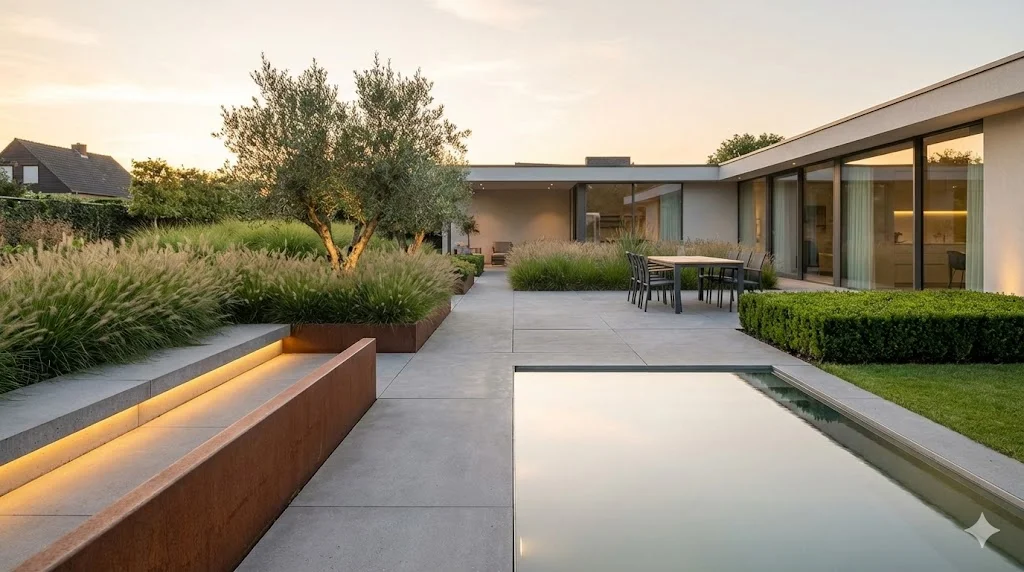
Garden Design Styles: The Complete Guide
Explore every major garden design style from cottage to Japanese, modern to Mediterranean. Find the perfect style for your space, climate, and taste.
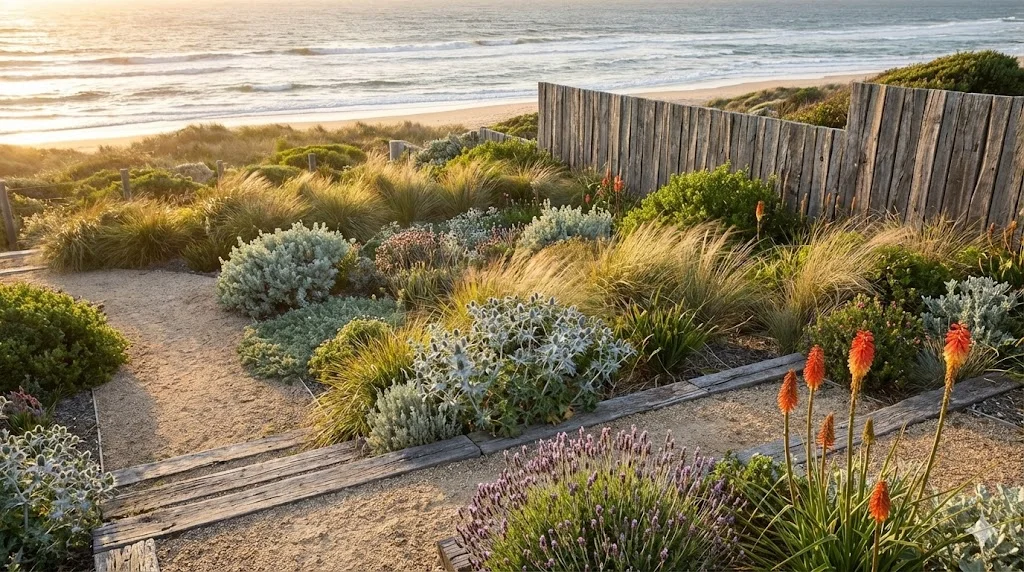
Coastal Garden Design: Salt-Tolerant Beauty
Design a beautiful coastal garden that thrives in salt spray, wind, and sandy soil. Discover the best seaside garden plants and design techniques for exposed sites.
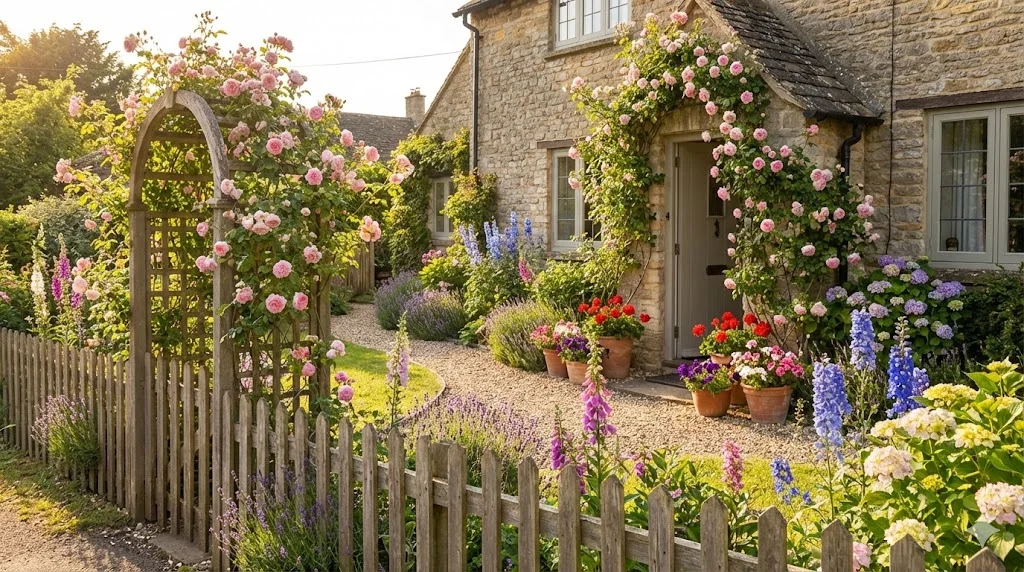
Cottage-Style Front Garden: Welcoming and Colorful
Transform your front garden into a welcoming cottage paradise with climbing roses, flower-lined paths, and seasonal color. Design tips for maximum curb appeal.