
Xeriscaping: Water-Wise Garden Design That Looks Beautiful
Create a beautiful xeriscape garden with water-wise design principles, drought-tolerant plants, efficient irrigation, mulching, and landscape zoning tips.
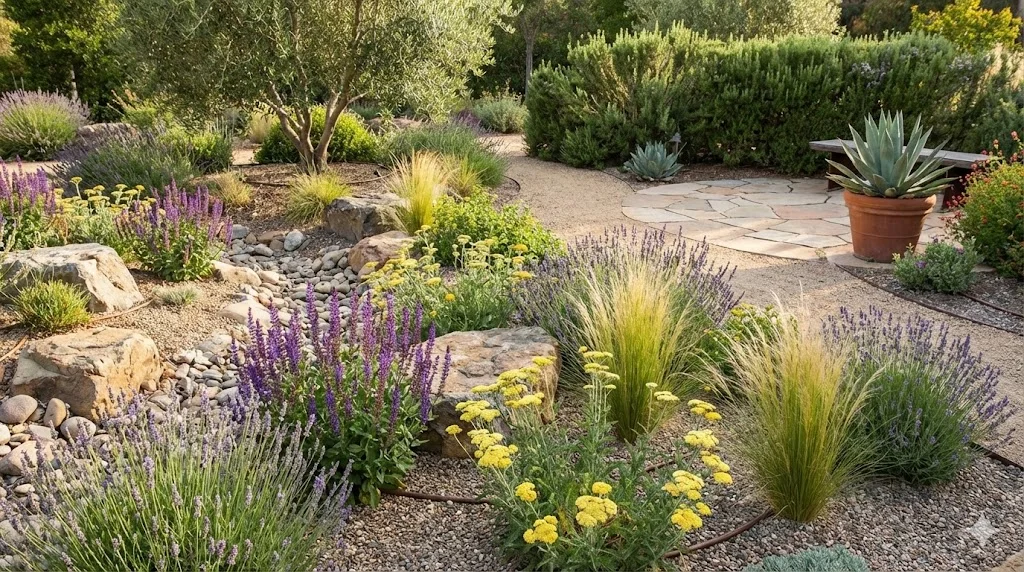
Xeriscaping: Water-Wise Garden Design That Looks Beautiful
Xeriscaping — the art of designing gardens that thrive on minimal water — was once associated with arid climates and cactus-filled yards. Today, it has become one of the most important and versatile approaches in garden design worldwide. As rainfall patterns become less predictable, water restrictions more common, and summers hotter, the principles of xeriscaping offer every gardener a path to a more resilient, lower-maintenance, and deeply beautiful garden.
The word comes from the Greek "xeros" (dry) and "scape" (view or scene). But a xeriscape garden is far from barren. The best water-wise gardens overflow with texture, colour, and movement — they simply achieve it with plants and techniques that work with dry conditions rather than against them.
The Seven Principles of Xeriscaping
Xeriscaping is built on seven interconnected principles that, taken together, can reduce garden water use by 50 to 75 percent.
1. Planning and Design
Every water-wise garden starts with a plan. Understanding your site — where the sun hits hardest, where water naturally collects, where soil drains fastest — allows you to place the right plant in the right place.
- Map sunny, shady, windy, and sheltered areas.
- Identify existing drainage patterns and soil types.
- Group plants by water need (hydrozoning) so you can irrigate efficiently.
2. Soil Improvement
Healthy soil retains moisture far better than degraded soil. Even in xeric gardens, improving soil structure is a worthwhile investment.
- Add organic matter: Compost improves water retention in sandy soils and drainage in clay soils.
- Build soil biology: Mycorrhizal fungi help plants access water deep in the soil profile.
- Avoid compaction: Stay off wet soil and use designated paths.
3. Efficient Irrigation
When you do water, make every drop count.
- Drip irrigation delivers water directly to the root zone, reducing waste by 50 to 70 percent compared to overhead sprinklers.
- Water deeply and infrequently to encourage deep root growth. A thorough soak once a week is better than a daily sprinkle.
- Water early morning to reduce evaporation.
- Use smart controllers that adjust watering based on weather and soil moisture.
4. Appropriate Plant Selection
Choose plants adapted to your conditions. In xeric gardens, this means prioritising plants with natural drought tolerance:
- Plants with grey, silver, or blue foliage (reflects light, reduces water loss)
- Plants with small, narrow, or waxy leaves (reduced surface area)
- Plants with deep taproots (access water deep in the soil)
- Plants native to your region or similar climates
5. Mulching
Mulch is the xeriscape gardener's best friend. A 5 to 10 cm layer of organic or inorganic mulch:
- Reduces evaporation by up to 70 percent
- Suppresses weeds that compete for water
- Moderates soil temperature
- Improves soil structure as organic mulches decompose
Organic mulches: Bark, wood chips, straw, composted green waste. Inorganic mulches: Gravel, pebbles, slate chips, decomposed granite.
6. Practical Turf Areas
Traditional lawns are the thirstiest element in most gardens. Xeriscaping does not necessarily eliminate lawns, but it reduces them to where they are genuinely used — play areas, social spaces — and replaces decorative lawn with low-water alternatives.
7. Appropriate Maintenance
Xeric gardens need less maintenance than traditional gardens, but they still need some. Key tasks include:
- Replenishing mulch annually
- Monitoring irrigation systems
- Pruning for shape and airflow
- Removing invasive weeds before they establish
"A xeriscape garden is not about doing without water — it is about being intelligent with water."
The Best Drought-Tolerant Plants
Perennials
- Lavender (Lavandula) — fragrant, pollinator-friendly, and supremely drought-tolerant. Thrives in poor, well-drained soil.
- Echinacea (Coneflower) — tough prairie natives with long-lasting flowers and excellent seed heads.
- Salvia — a huge genus with species for every situation. Salvia nemorosa and S. officinalis are particularly drought-hardy.
- Sedum — succulent foliage and late-season flowers. Virtually unkillable once established.
- Eryngium (Sea Holly) — steely blue, architectural, and completely drought-proof.
- Nepeta (Catmint) — soft mounds of grey-green foliage with blue flowers from May to September.
- Verbena bonariensis — tall, airy stems topped with purple flowers. Self-seeds freely.
- Achillea (Yarrow) — flat-topped flowers in yellow, red, pink, and white on aromatic foliage.
- Perovskia (Russian Sage) — airy lavender-blue flowers above silver-grey aromatic foliage.
Grasses
- Stipa tenuissima (Mexican Feather Grass) — soft, flowing, and incredibly drought-tolerant. Beautiful in gravel gardens.
- Festuca glauca (Blue Fescue) — compact blue-grey tussocks. Excellent as a ground cover.
- Calamagrostis 'Karl Foerster' — upright, architectural, and more drought-tolerant than its lush appearance suggests.
- Nassella tenuissima — fine-textured and graceful, catching every breeze.
Shrubs
- Rosemary — evergreen, fragrant, and edible. Thrives in the hottest, driest spots.
- Cistus (Rock Rose) — Mediterranean native with papery flowers. Loves poor, dry soil.
- Ceanothus — Californian lilacs with vivid blue flowers. Drought-tolerant once established.
- Phlomis — architectural, with whorled yellow flowers and persistent seed heads. Very drought-hardy.
Succulents and Architectural Plants
- Agave — bold, architectural rosettes. Hardy varieties exist for temperate climates.
- Sempervivum (Houseleek) — tiny succulents that colonise dry walls and gravel.
- Yucca — sword-like evergreen foliage with spectacular flower spikes.
Designing a Beautiful Xeriscape
Water-wise gardens need not look sparse or austere. The key is to treat xeric planting as a design opportunity, not a limitation.
The Gravel Garden Approach
Gravel gardens are among the most beautiful expressions of xeriscape design. A generous gravel mulch provides the perfect backdrop for drought-tolerant plants, suppresses weeds, retains moisture, and creates a cohesive visual surface.
Plant into the gravel in naturalistic drifts, allowing plants to self-seed and colonise. The result is a garden that looks increasingly natural and established over time.
Mediterranean Style
Mediterranean-style xeriscape gardens combine drought-tolerant planting with warm-toned hardscape — terracotta pots, warm stone, and timber — to create a relaxed, sun-drenched atmosphere.
Key plants: lavender, rosemary, olive trees, cistus, agapanthus, grape vines, and wisteria.
Prairie Style
Prairie-inspired xeriscape gardens use native grasses and wildflowers in naturalistic combinations that mimic wild grassland. This approach is particularly effective in large gardens and municipal landscapes.
Key plants: echinaceas, rudbeckias, grasses (Panicum, Schizachyrium, Bouteloua), and wildflowers.
Hydrozoning in Practice
Divide your garden into water zones and design each zone with a cohesive style:
- High-water zone (near the house, small area): Lush planting with higher-need plants, efficiently irrigated. This is where food crops, potted plants, and favourite moisture-lovers go.
- Moderate zone (transition areas): Adapted perennials and shrubs that need occasional supplemental water during extreme drought.
- Low-water zone (largest area): Fully drought-adapted planting that survives on natural rainfall. This is the core xeriscape area.
When you design your garden zones visually, you can map out water use areas and ensure the transition between zones feels natural and deliberate.
From Lawn to Xeriscape: A Practical Transition
Removing or reducing lawn is often the single most effective step toward a water-wise garden.
Step-by-Step Lawn Conversion
- Decide which lawn to keep. Retain lawn where it is actively used — for play, pets, or socialising — and convert the rest.
- Kill the grass. Sheet mulching (layering cardboard and compost over the grass) is the most sustainable method, though it takes several months.
- Prepare the soil. Add compost to the top layer and let it settle.
- Mulch generously. Apply 8 to 10 cm of gravel or organic mulch.
- Plant in drifts. Use the drought-tolerant plants listed above, spacing them to allow for mature spread.
- Water in well. Even xeric plants need water during their first growing season to establish roots.
"The most successful xeriscape gardens do not look like they are saving water — they look like they belong where they are."
Xeriscaping and Sustainability
Xeriscaping is one facet of a broader sustainable approach to garden design. It connects naturally with:
- Permaculture — working with natural systems and closing resource loops. See our guide on permaculture principles.
- Wildlife gardening — many drought-tolerant plants are also excellent for pollinators. Native drought-adapted plants support local ecology.
- Soil health — healthy soil retains moisture naturally, reducing irrigation needs. See our guide on composting and soil health.
For the complete picture of sustainable garden design, visit our sustainable garden design guide.
Getting Started with Xeriscaping
You do not need to convert your entire garden to begin. Start with these three actions:
- Mulch one border. Apply a 7 to 10 cm layer of gravel or bark mulch to an existing border. This single action reduces watering needs by up to 70 percent.
- Replace one thirsty plant. Swap a high-maintenance, high-water plant for a drought-tolerant alternative. Lavender for a struggling hybrid tea rose, for instance.
- Install one rain barrel. Capturing roof runoff provides free, soft water for the garden and begins the shift toward water independence.
Xeriscaping is not a limitation — it is a liberation. It frees you from the hose, reduces maintenance, and opens the door to a palette of beautiful, resilient plants that thrive in the conditions your garden actually offers. The result is a garden that works with nature, not against it.
Garden Design Team
Expert garden designers sharing tips, inspiration, and practical advice for creating beautiful outdoor spaces.
Explore professional garden design
Gardenly3D is a paid professional garden-design application. See plans for included capabilities and availability.
Join the waitlistRelated articles
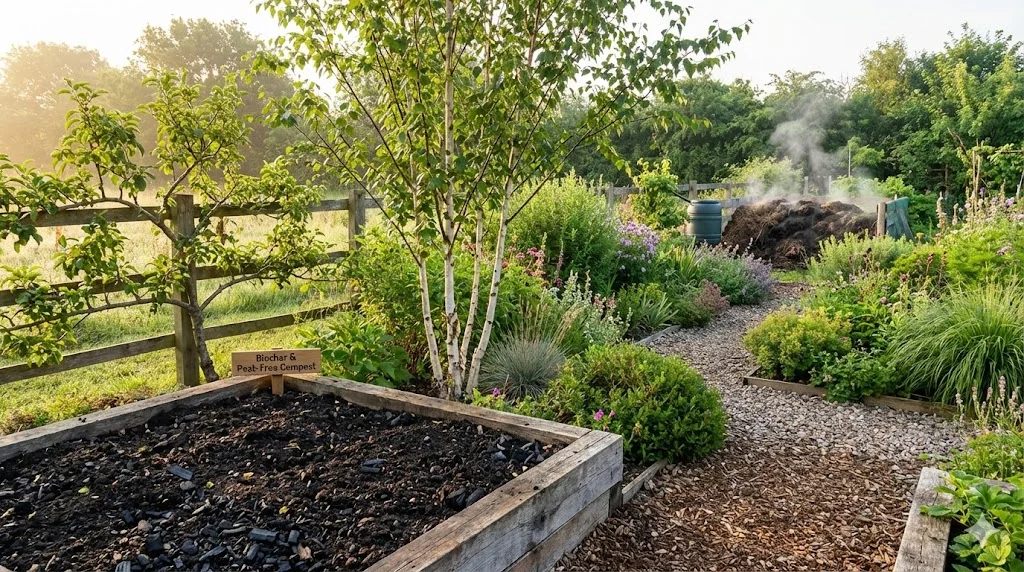
Carbon-Positive Garden Design: Sequestering Carbon at Home
Design a carbon-positive garden that sequesters carbon through tree planting, biochar, peat-free growing, reduced hardscape, and soil health strategies.
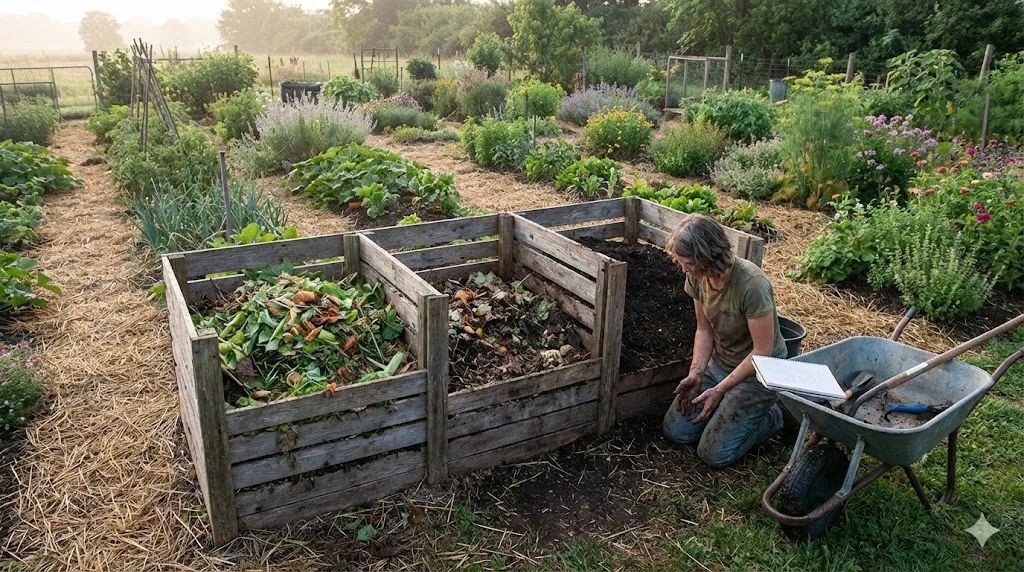
Composting and Soil Health for Garden Designers
Master composting and soil health for better garden design with guidance on the soil food web, composting methods, mulch types, no-dig gardening, and more.
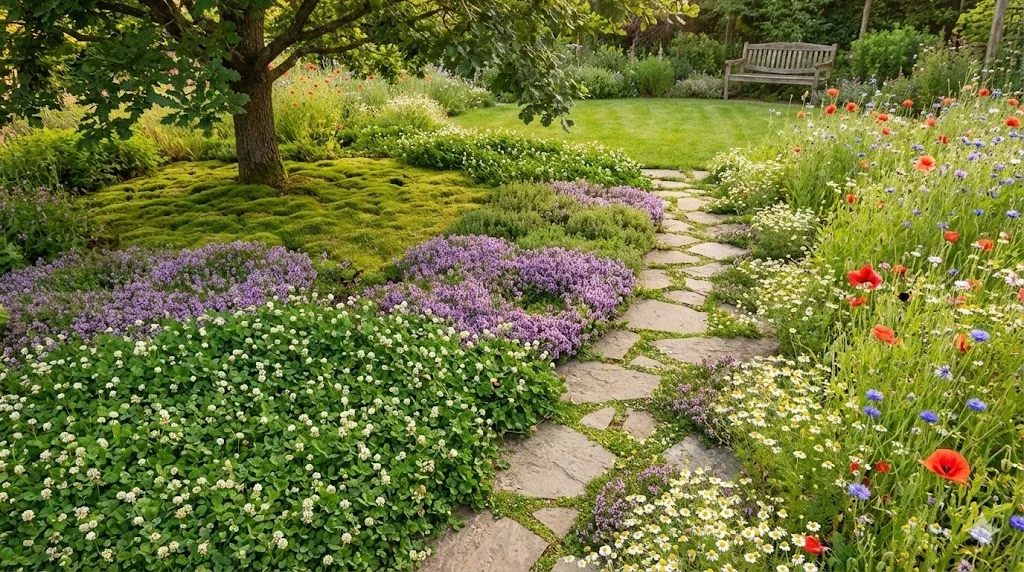
No-Mow Garden Design: Lawn Alternatives That Thrive
Explore no-mow garden design with lawn alternatives that thrive, including clover lawns, creeping thyme, moss gardens, meadow patches, and ground covers.